


Insulating older homes in Auckland
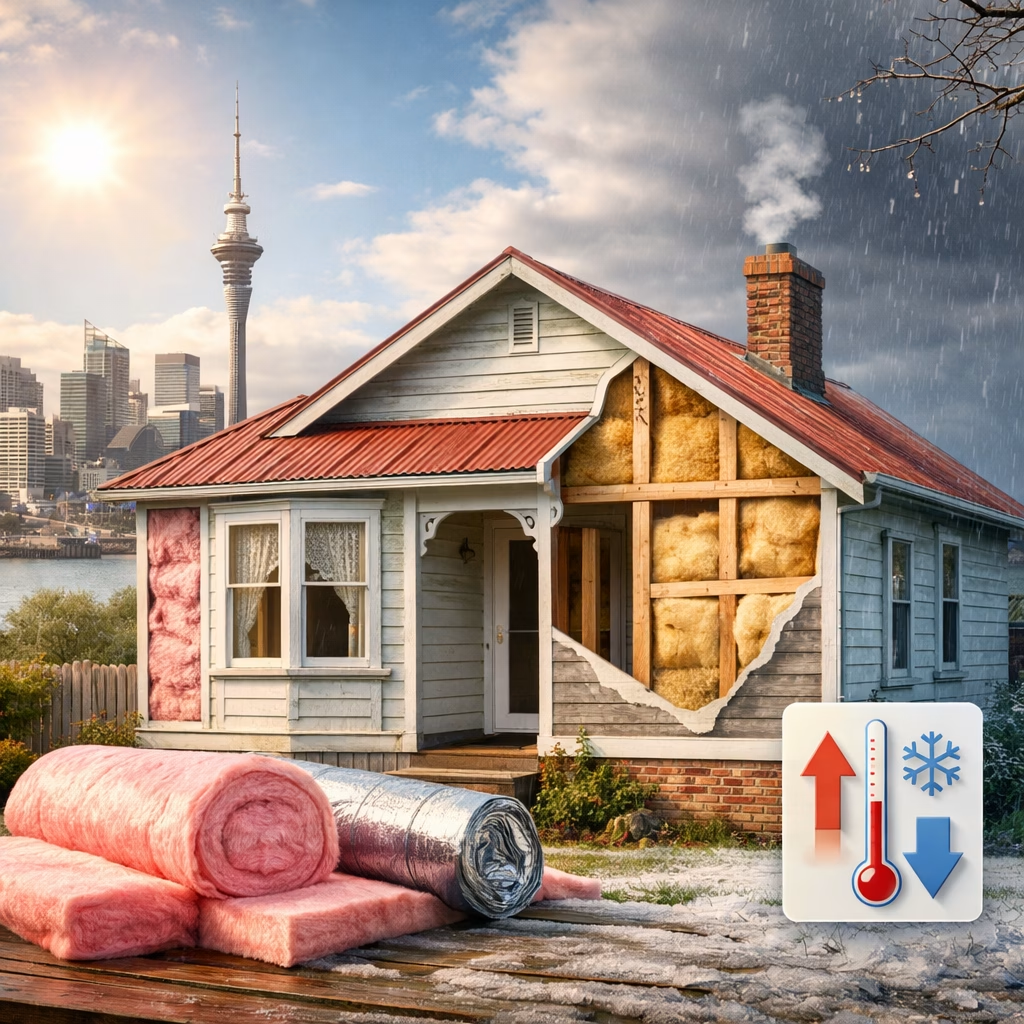
Older Auckland homes often lack proper insulation, making them colder, damper, and more expensive to heat. Here’s why upgrading matters.
Is Your Older Home Costing You More Than You Think?
Around 60% of Auckland’s homes were built before 1978, when insulation was not a building requirement.¹ While these homes often have plenty of character, many can also be colder, harder to heat, and less energy efficient than modern homes.
If your home falls into this category, improving its insulation can make a noticeable difference to your family’s comfort, your home’s energy efficiency, and even its long-term value.
Five Signs Your Home Could Benefit from Better Insulation
You don’t need to be a building expert to recognise when your home may need attention. Here are five common signs.
1. Your home never seems to stay warm.
If you’re constantly reaching for the heater but the warmth disappears as soon as it’s switched off, your home could be losing heat through the ceiling, walls, or floor.
2. Condensation is a regular problem.
Moisture on windows during colder months is a common issue in older homes. While ventilation plays an important role, improving insulation can help maintain more consistent indoor temperatures and reduce condensation.
3. Some rooms are noticeably colder than others.
Large temperature differences between rooms may indicate areas where insulation is missing or no longer performing effectively.
4. Your heating bills seem higher than they should be.
A poorly insulated home requires more energy to maintain a comfortable temperature, which can quickly add up over winter.
5. Your home was built before 1978.
Many Auckland homes from this era have little or no insulation by today’s standards. If it has never been upgraded, it may be worth considering.
Why Damp Homes Cost More Than You Think
A damp home is about more than comfort. Moisture makes your home harder to heat, meaning your heating system has to work harder and use more energy.
Over time, excess moisture can also contribute to mould growth and cause unnecessary wear on building materials, paintwork, and timber. Left untreated, these issues can become far more expensive than addressing the underlying cause.
A warmer, drier home also creates a healthier environment for your family. Reducing dampness and improving indoor temperatures can help create more comfortable living spaces throughout the year.
Improvements You Can Make Today
Not every insulation project requires major building work. Some of the most effective upgrades are also the simplest.
Adding or upgrading ceiling insulation is often the best place to start, as a significant amount of heat can be lost through the roof. Underfloor insulation can also improve comfort in homes with suspended timber floors.
Simple measures such as sealing draughts around doors and windows, improving ventilation, and installing quality thermal curtains can also make a noticeable difference.
Planning for the Future
If you’re already considering a renovation, it’s worth thinking about insulation at the same time.
Wall insulation in older homes is often easiest to install when wall linings are being replaced. Combining insulation upgrades with renovation work is usually more practical and cost-effective than trying to retrofit them later.
Whether you’re renovating a single room or planning more extensive improvements, taking the opportunity to improve your home’s insulation can provide benefits you’ll appreciate for many years to come.
